
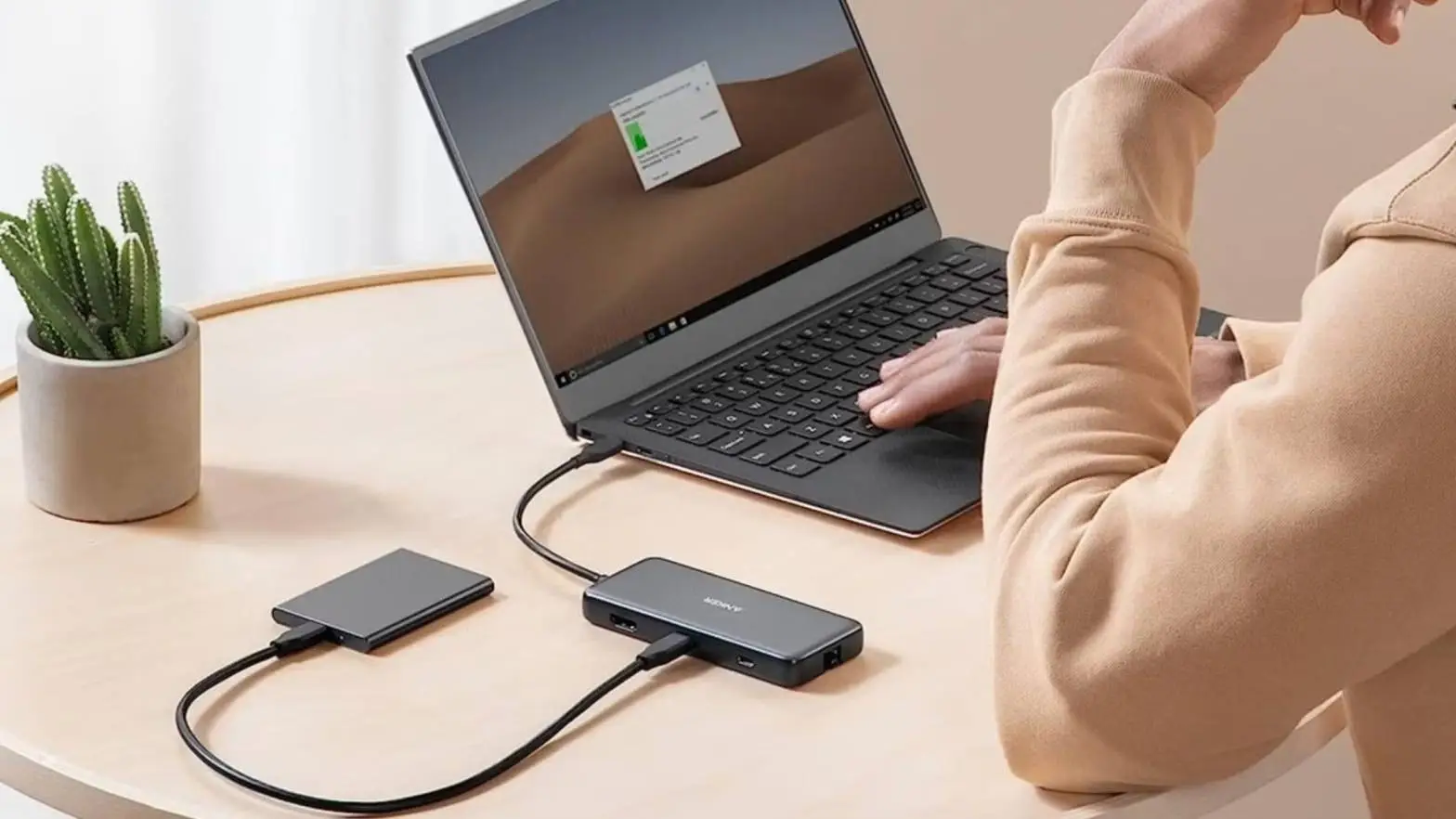
Moving games from internal storage to external storage on a PC is a smart way to free up space and keep your system running smoothly. It can also help you organize large game files without deleting the games you still want to play. In this guide, you will learn how to transfer games from internal storage to external storage PC in a simple, safe, and practical way. The steps below are written for everyday users, so you do not need advanced technical knowledge to follow along. By the end, you will know how to move games properly, protect save files, and avoid common mistakes.
Why Moving Games Helps?
A full internal drive can slow down your PC, make updates harder, and leave little room for new installs. When you move games to an external drive, you create more breathing space for your system and keep your library easier to manage. This is especially useful if you have several large games that you do not play every day. It is also a good option when you want to keep older games available without letting them take over your main storage. The main keyword transfer games from internal storage to external storage fits this process well because that is exactly what you are doing: shifting game files to another drive in a clean, organized way.
Before you start, it helps to know that not every game works the same way. Some games can be moved by simple copy and paste, while others may need help from a game launcher or a reinstall path. Save files may also be stored in a different folder than the main game files. That is why it is important to move carefully and check the game type first. If you rush, you may lose settings, save data, or shortcut links. A little planning at the start makes the whole process much easier.
Read Also: How To Clear Cache On Xbox One Without Reset
Check Before You Move
The first thing to do is find out where the game files are stored and how the game is installed. Some games sit inside a launcher folder, while others are installed in a separate directory you chose yourself. If the game has a built-in move option, use that first, because it is usually the safest method. If not, you can move the files manually, but you should understand where the save files are kept before touching anything. This is where the keyword PC game storage transfer becomes useful, because the process is really about moving storage without breaking the game setup.
You should also make sure your external drive has enough free space for the game and any future updates. It is a good habit to leave extra room, because games often grow after patches and add-ons. Check the drive format too, since some systems handle large files better than others. A slow or low-quality external drive can still work, but it may make game loading slower. If speed matters a lot, use a drive that can handle large files smoothly. Taking a few minutes to check these details now can save you from a lot of trouble later.
Move With Launcher Tools
Many PC games are managed through launchers, and these launchers often have the easiest transfer method. Instead of manually dragging everything around, you can usually tell the launcher to move the game to another folder or drive. This is the best choice when the platform supports it, because it keeps the game registry, file links, and updates in a safer state. If you use this method, the launcher will often verify the files after the move, which helps catch missing or broken data. The phrase move games to external drive describes this step clearly, since the drive change is the main goal.
In most cases, the process follows a similar pattern. Open the launcher, find the installed game, choose a move or transfer option, and select the external storage location. After that, wait for the transfer to finish and let the launcher check the files. If the game opens normally, the move worked. If it does not, the launcher may need to repair the files or rebuild the install path. This is one reason launcher tools are better than random file moves when they are available. They reduce the chance of errors and keep the game easier to launch later.
Manual Transfer Steps
Sometimes a launcher does not offer a move button, or you may want to move a game folder by hand. In that case, you can use a careful copy method. First, close the game and the launcher so nothing is still writing to the files. Then copy the full game folder from the internal drive to a matching folder on the external drive. Keep the folder structure as close as possible to the original, because that helps the game find its files later. This is the core of how to transfer games from internal storage to external storage PC when no built-in move option exists.
After the copy is complete, check that the folder size looks right and that all the main files are present. Some games may still need a repair or scan inside the launcher before they work again. If the launcher does not detect the game, you may need to point it to the new folder or choose an option like “locate installed game.” That step helps the launcher reconnect with the moved files. Manual transfer can work very well, but it needs patience. If you skip a file or break the folder structure, the game may fail to start.
Protect Save Files
One of the biggest mistakes people make is moving the game files but forgetting the save files. Save data is often stored in a different location, such as a user folder, documents folder, or app data area. That means your game may move correctly while your progress stays behind on the internal drive. To avoid that, always check where the saves are stored before you move anything. Copy those files to a safe place first so you have a backup. This is especially important for games with long campaigns, custom settings, or rare progress.
Here are two simple habits that help protect your data:
-
Back up the save folder before moving the game, and keep a second copy until the game opens correctly.
-
Test the game after moving it, then confirm that your progress, settings, and profiles still load the way you expect.
If the game uses cloud saving, that can help, but you should still keep a local backup. Cloud sync is useful, but it is not perfect all the time. A safe copy gives you peace of mind. It only takes a few extra minutes, and it can save hours of lost progress.
Fix Common Problems
After moving a game, you may run into a few small problems. The game might not appear in the launcher, it may ask to download again, or it may fail to open because a path changed. Do not panic if that happens. Most of these issues can be fixed by pointing the launcher to the new folder, running a file check, or updating the game library location. Sometimes the solution is as simple as restarting the launcher or plugging the external drive into the same port again. In many cases, the problem is not the game itself, but the way the PC is trying to find it.
A slow external drive can also make the game feel less responsive. That does not always mean something is broken. It may just take longer to load large areas, textures, or updates. If the drive disconnects while the game is running, close the game first and reconnect the drive before opening it again. Try not to rename folders after the move, because that can confuse the launcher. If a game still refuses to work, a fresh install to the external drive may be the cleanest fix. That sounds like extra work, but it can actually be the quickest way to get back to playing.
Best Storage Habits
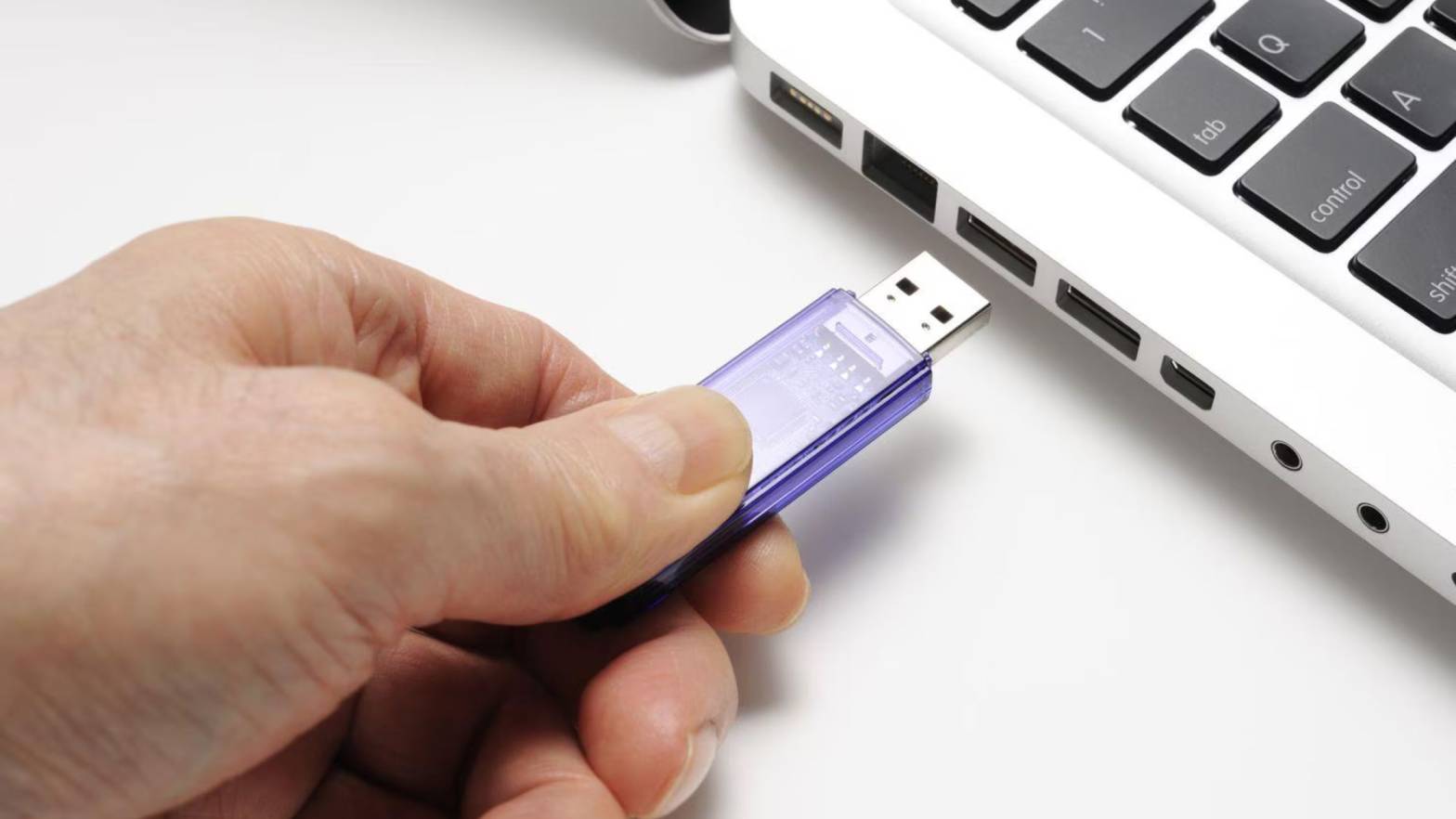
Once you know how to move games, it helps to build a simple storage routine. Keep your most-played games on the fastest drive, and move older or less-used games to external storage. This keeps your internal drive open for system tasks and important software. It also makes your game library easier to manage because you are not treating every file the same way. The keyword external storage for PC games fits this habit well, since the external drive becomes a planned part of your gaming setup instead of a last-minute fix.
Try to name folders clearly and keep game backups in one place. That way, when you need to move a title again, you already know where everything is. It also helps to check your external drive from time to time for free space, file errors, or slow performance. If the drive starts acting strange, copy your important saves somewhere else right away. Good storage habits are not complicated. They are mostly about staying organized and not waiting until your internal drive is completely full..
You May Also Like: How To Clear Cache On Xbox One
Final Move Checklist
Before you finish, run through a quick check to make sure the transfer was successful. Confirm that the game opens from the new location, the save files are present, and the launcher recognizes the install. If the game starts normally and your progress is there, you are in good shape. If not, go back one step and verify the folder path, drive connection, and file integrity. A careful final check is a small step, but it can stop bigger issues later. It is the best way to know the move was done right.
Use this checklist before you close everything:
-
Confirm the external drive is connected and has enough free space.
-
Make sure the game folder was copied or moved completely.
-
Open the launcher or game and verify that it launches from the new location.
-
Check that your save files and settings are still available.
-
Keep the old copy until you know the new one works correctly.
This is the part that turns a simple file transfer into a reliable setup. Once you do it a few times, it becomes a fast and easy habit.
FAQs
Can I move any game to external storage?
Most games can be moved, but the method depends on how they were installed. Some games work best with a launcher move option, while others need a manual copy and repair step. A few games may store files in different places, so it is smart to check the save location too.
Will moving a game delete my progress?
It should not, as long as you back up your save files and move them if needed. Save data is often stored separately from the main game folder. That is why checking both the install folder and the save folder is important.
Is copy and paste safe for games?
It can be safe if you copy the entire folder and keep the structure intact. Still, a launcher-based move is usually safer because it helps the system track the game properly. After a manual copy, always run a file check if the launcher allows it.
Why does the game ask to download again?
This usually happens when the launcher cannot find the moved files. It may need the new folder location added, or it may need to verify the install. A path mismatch or missing manifest file can also cause this.
What should I do if the external drive is slow?
Try using a faster drive, keeping fewer files on it, or moving only less demanding games there. Slow drives can still work, but they may increase load times. If the game feels unstable, test it on a different drive or reinstall it cleanly.
If you want, I can turn this into a more polished SEO blog draft with a meta title, meta description, and keyword outline.